12 Houseplants That Can Make Your Home Healthier
Bringing a few plants into your home does more than brighten up a room. Plants add life to a space, and many of them also work quietly in the background to clean the air, ease stress, and support your health in ways you might not expect. If you have ever stood in a garden store feeling overwhelmed by the options, you are not alone. Every plant has its own needs and its own strengths, so picking the right one can feel like guesswork.
The good news is that you do not need a green thumb or hours of free time to enjoy these benefits. Most of the plants on this list ask for very little in return for what they offer.
To make things easier, here are 12 houseplants known for their health benefits, along with what makes each one worth a spot in your home.
Table of Contents
1. Aloe Vera
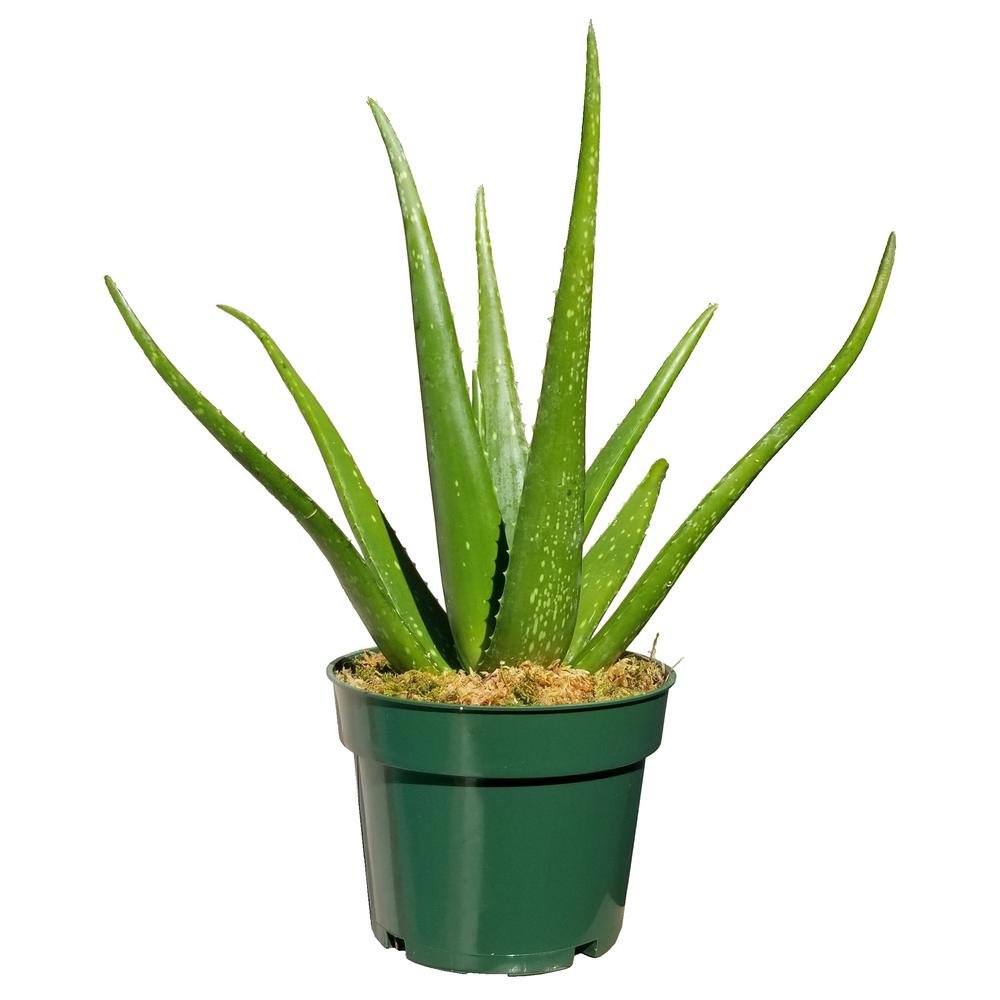
Aloe vera is a great choice for a kitchen windowsill. It likes bright light, and keeping it close by means you have a natural remedy on hand for minor kitchen burns. This plant also helps clear the air of formaldehyde and benzene, chemicals that commonly come from varnish, floor finishes, and household cleaning products. Aloe vera does not need much watering, which makes it a forgiving choice if you are new to keeping plants. Place it somewhere well lit but out of the way, since the leaves can prick you if you brush against them too often. Beyond burns, many people also use the gel for dry skin or minor cuts, which makes it a handy plant to keep near the kitchen sink.
2. Snake Plant
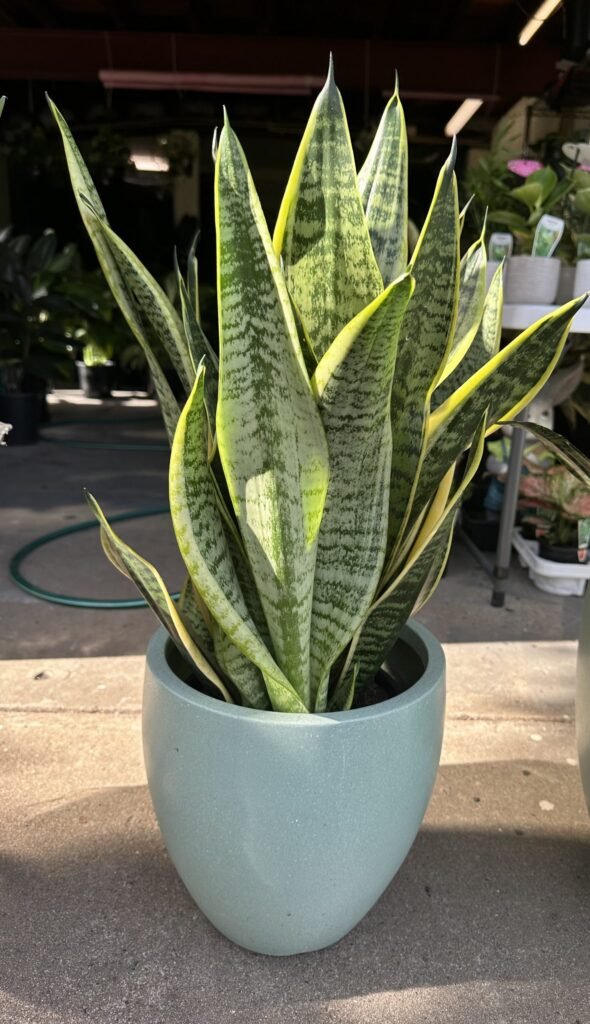
The snake plant is one of the easiest plants to keep alive, and it does a lot for the air quality in your home. Unlike most plants, it keeps converting carbon dioxide into oxygen even after dark, which makes it a good pick for a bedroom. It also filters out pollutants that can trigger allergic reactions. Research from the American Society for Horticultural Science has shown that snake plants can lower ozone levels and cut down on other airborne contaminants indoors. On top of that, it tolerates low light and irregular watering, so it holds up fine even if you tend to forget about it for a week or two.
3. Bamboo Palm
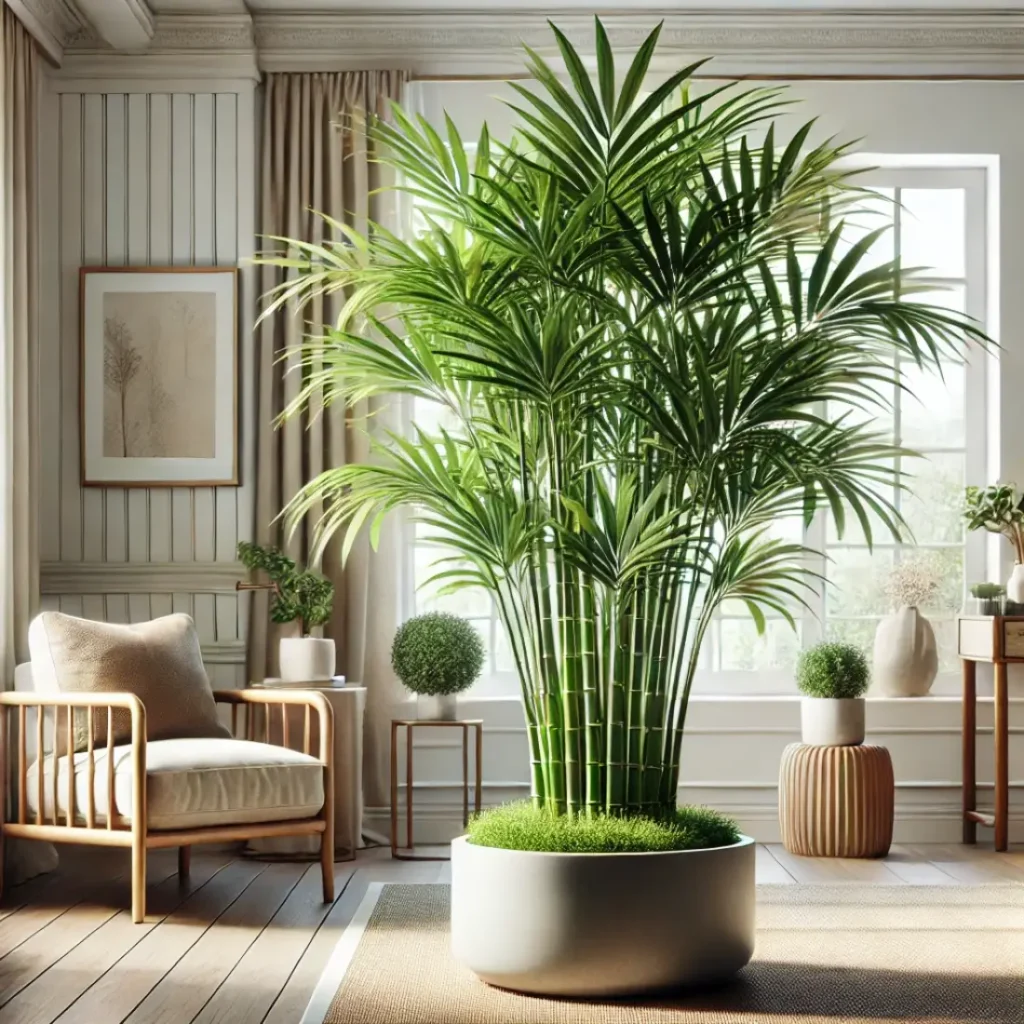
Also known as the butterfly palm, the bamboo palm is tough and forgiving, which makes it a solid pick if you are still learning how to care for plants. It filters benzene and formaldehyde from the air and works as a natural humidifier, something that comes in handy during dry winter months. Give it moist soil, good airflow, and bright but indirect light, and it will grow fast enough that you will need to prune it now and then. It is also safe to keep around pets. Given enough time, it can grow tall enough to fill an empty corner, making it a nice choice for a living room or entryway.
4. Pothos
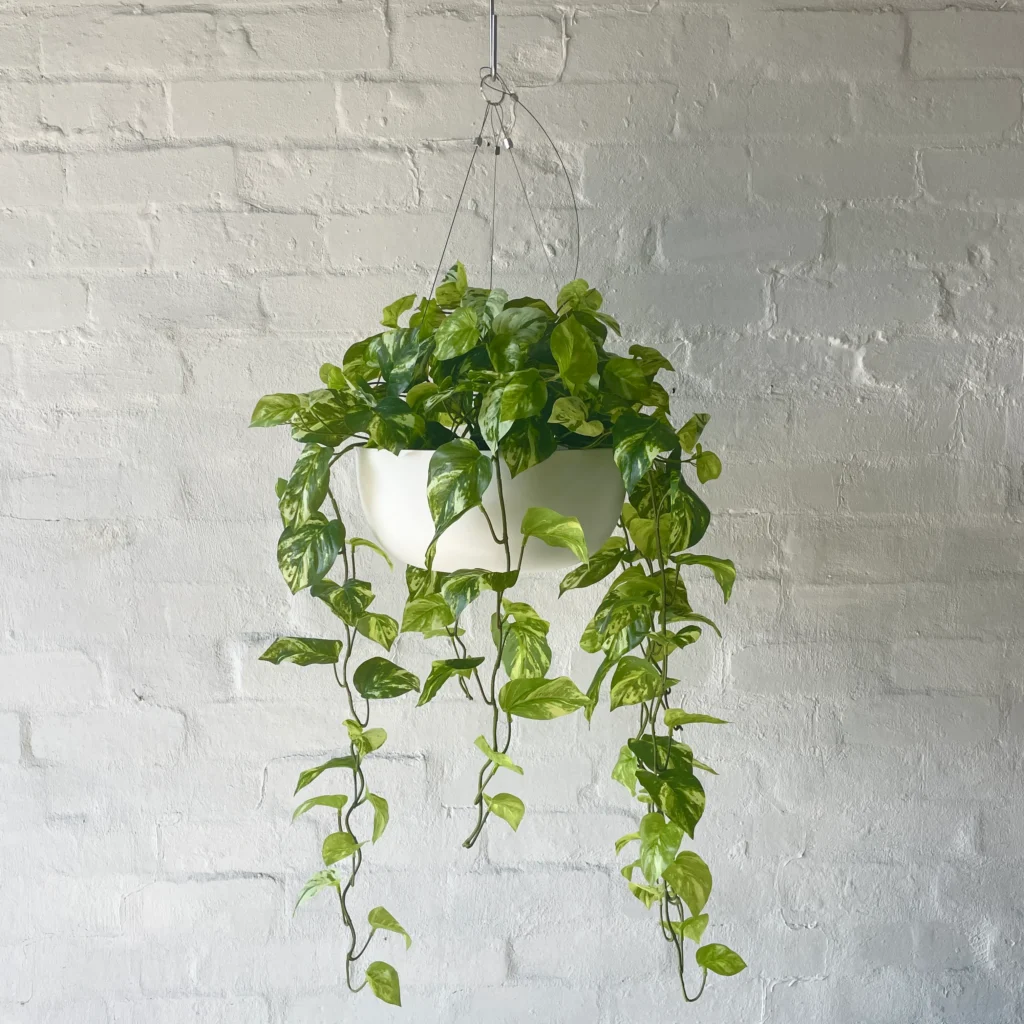
Pothos might be the most forgiving houseplant on this list. It does not need soil to survive, and it handles low light without complaint, which is why it shows up in so many homes and offices. It clears formaldehyde, carbon monoxide, xylene, and benzene from the air, and it raises humidity levels too. Higher humidity in a room can even lower your odds of catching something like the flu. Its trailing vines also look great in a hanging pot or on a shelf, and you can start new plants easily just by rooting a cutting in a glass of water.
5. Rubber Tree
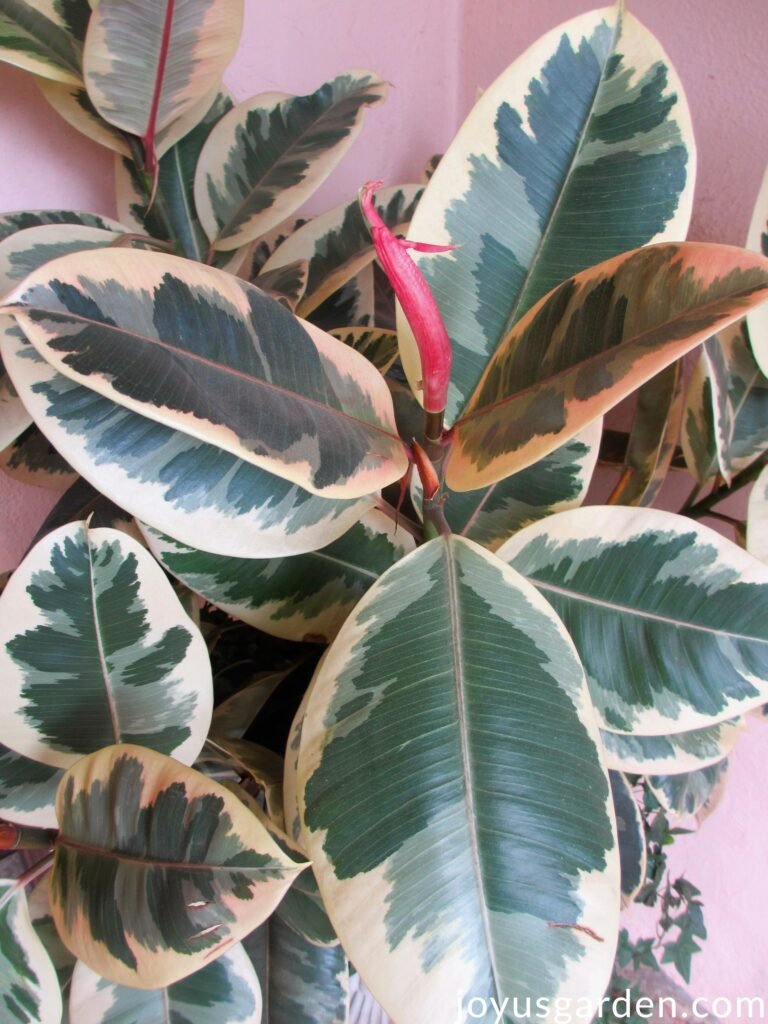
With its shiny, leather-like leaves, the rubber tree adds a polished look to any room without costing much. It is not likely to trigger allergies, and it works to remove fungal spores and bacteria from the air while breaking down harmful toxins into safer compounds. The rubber tree can handle low light if it has to, though it prefers indirect sunlight, and it only needs watering now and then. Over time it can grow into a small tree, so it works well as a statement piece once it has room to stretch upward.
6. ZZ Plant
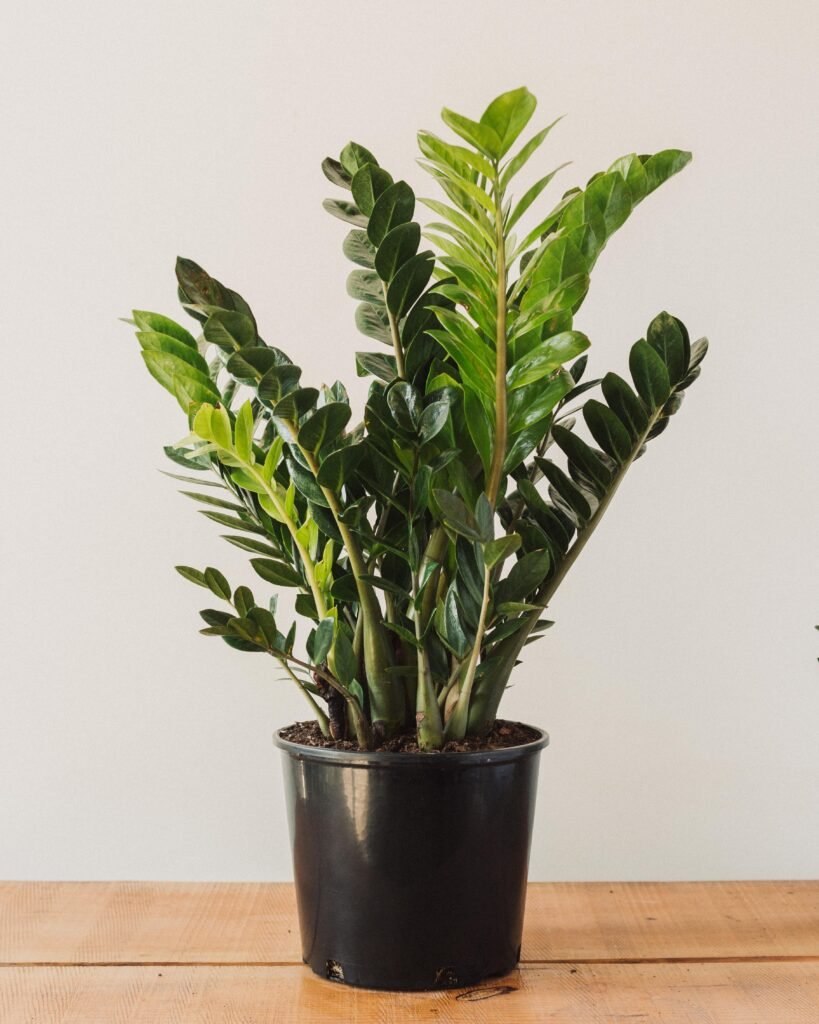
The ZZ plant, known by its scientific name Zamioculcas zamiifolia, is about as low maintenance as houseplants get. It can go a while between waterings without any trouble. It also contains antioxidant compounds, including triterpenoids and polyphenols, that have traditionally been used to help soothe earaches. According to the journal HortTechnology, ZZ plants are unusually resistant to insects and disease, which is part of why they hold up so well indoors. It also tolerates low light better than most houseplants, so it works well in a hallway or on an office desk with no window nearby.
7. Dracaena Gold Star
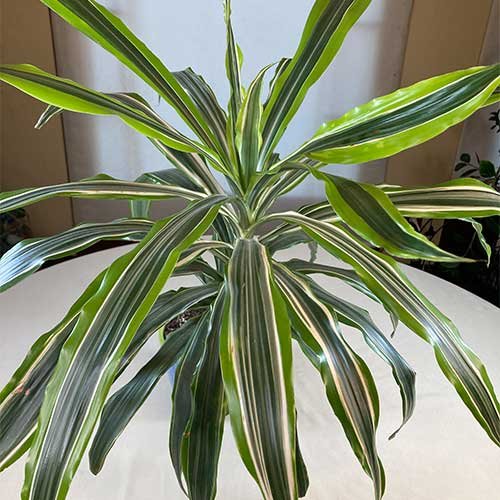
Dracaena plants handle dry conditions better than most, and they do real work cleaning the air. This variety helps filter out carbon dioxide, trichloroethylene, benzene, and formaldehyde, chemicals that have been linked to headaches, kidney trouble, anemia, and breathing problems. One thing to keep in mind: dracaena is toxic to cats and dogs if they eat it, so it might not be the best fit if you have curious pets at home. It also grows slowly and stays fairly compact, which makes it a good match for smaller rooms or apartments where space is tight.
8. Monstera Deliciosa
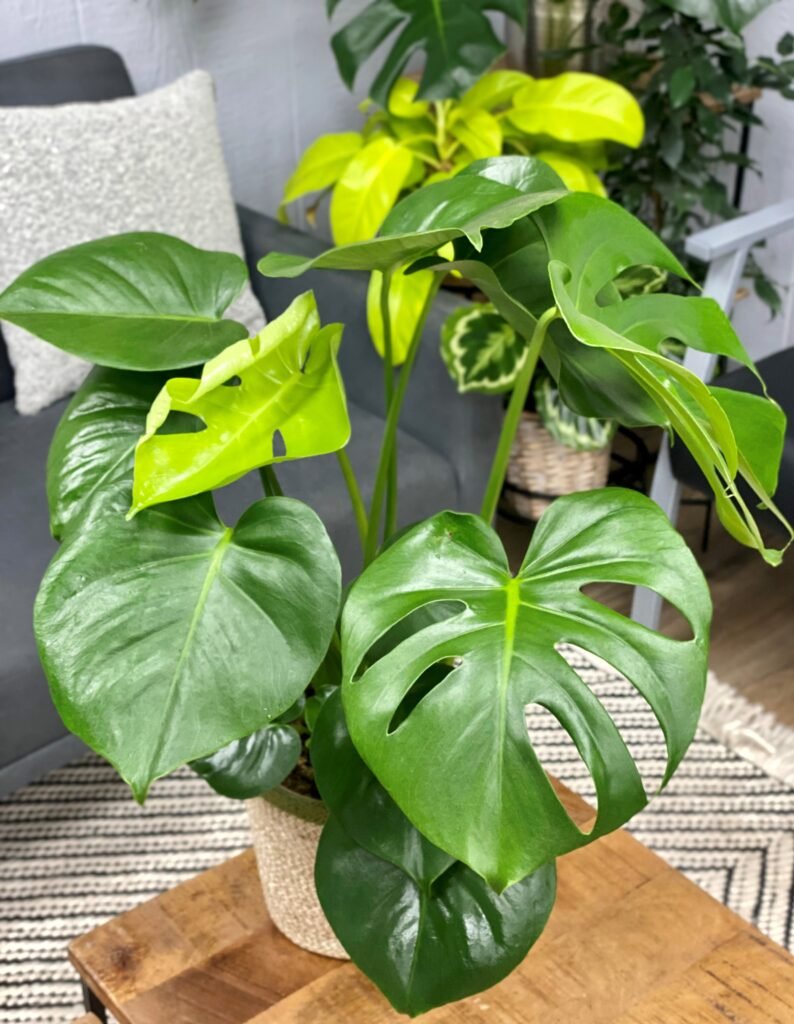
Monstera deliciosa grows fast and looks striking, with big leaves that catch the eye. Those large leaves also trap dust and other debris from the air while adding moisture, which helps with both breathing and dry skin. Give it a spot with good light and enough room to spread out, and water it about once a week, or whenever the soil starts to feel dry. Its split, glossy leaves have also made it a favorite among plant lovers who want something that looks as good as it performs.
9. String of Pearls
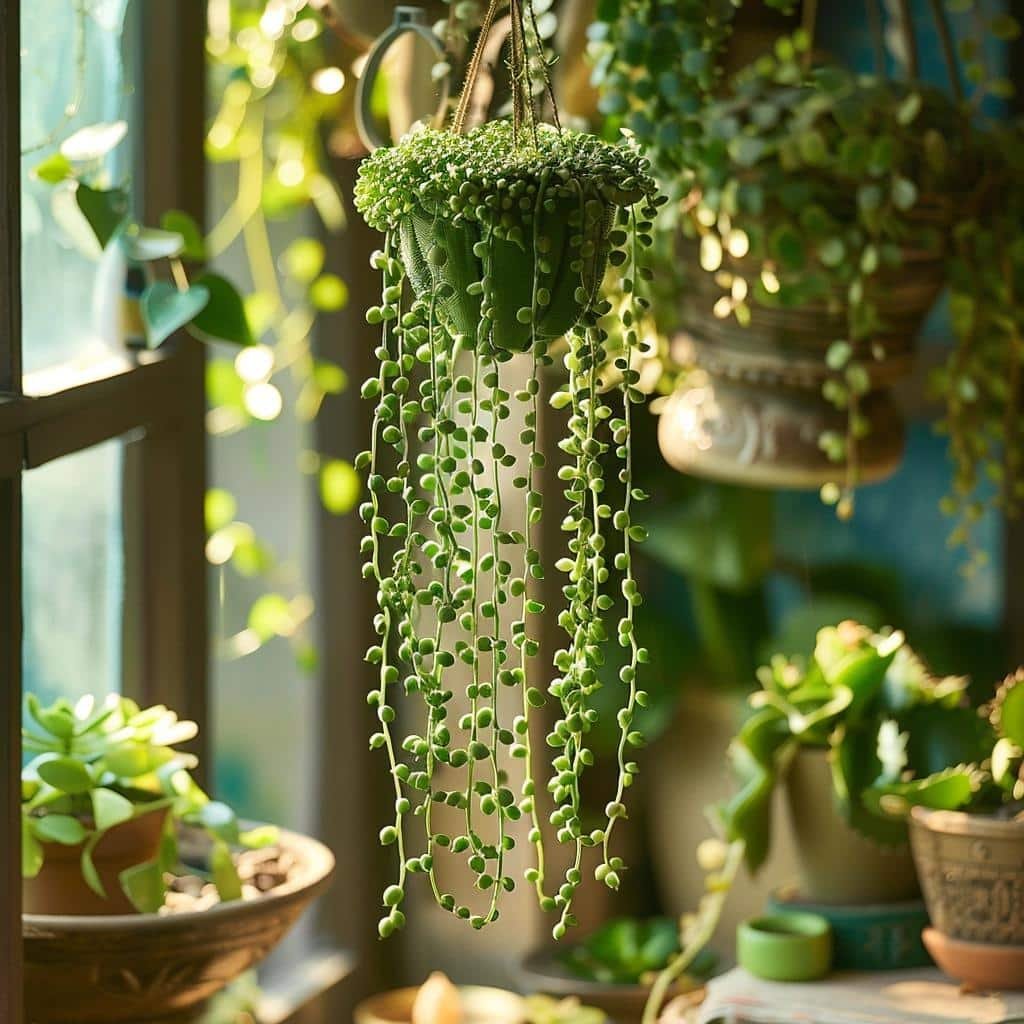
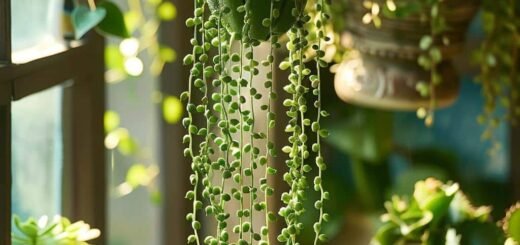
String of pearls is known mostly for how it looks, with its trailing strands of small, round leaves. It also does something for your mood. Having it in a room has been linked to lower stress and a better sense of calm. It needs bright light, so a sunny windowsill is a good spot for it. Because the plant is toxic if eaten, keep it in a hanging basket, safely out of reach of kids and pets. Let the soil dry out between waterings too, since the trailing stems store their own water and can rot if they sit in soggy soil for too long.
10. Spider Plant
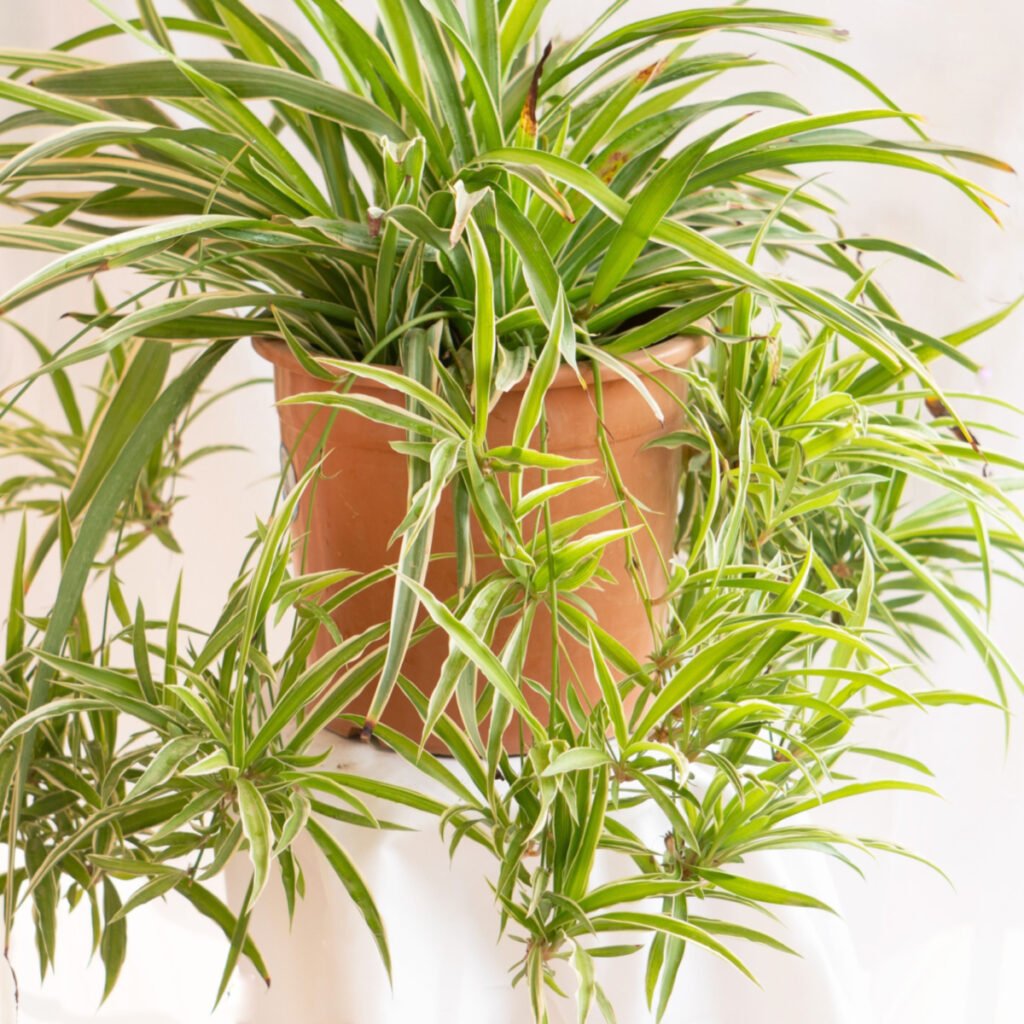
The spider plant gets its name from its long, narrow leaves that spread out like legs. It is a favorite for good reason. It clears carbon monoxide from indoor air, which has been connected to lower stress, less fatigue, fewer headaches, and fewer colds. Unlike many other plants on this list, the spider plant is completely non-toxic. The leaves are actually edible, though they do have a slightly bitter taste. It also sends out small offshoots, often called spiderettes, that you can snip off and root to grow more plants for free.
11. Jade Plant
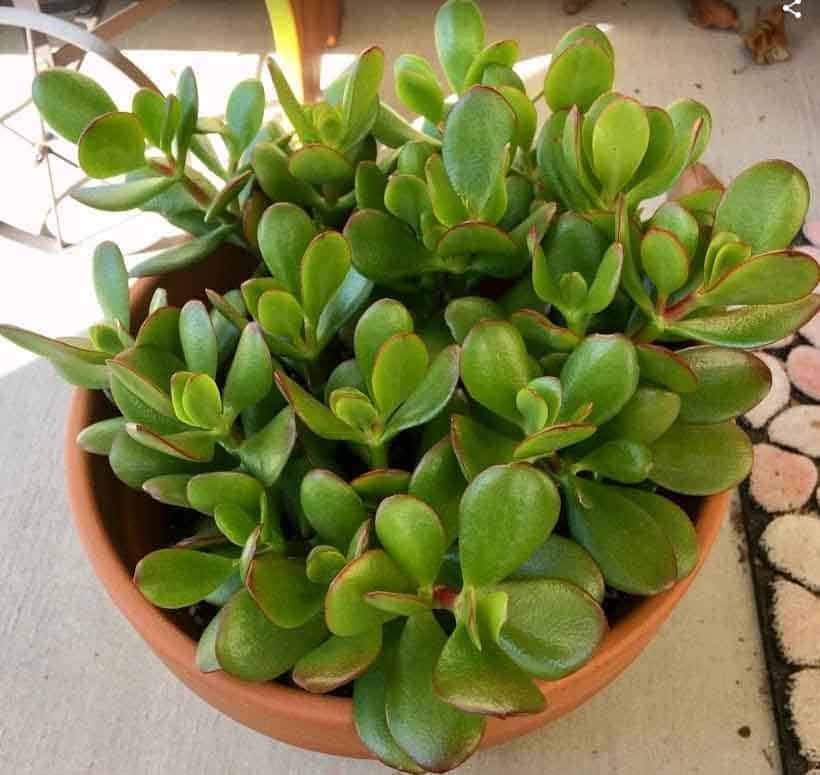
Sometimes called the “good luck plant,” the jade plant carries old superstitions about bringing wealth into a home, likely thanks to its round, coin-shaped leaves. Whether or not it brings luck, it does bring real benefits. It raises humidity, absorbs carbon dioxide, and releases oxygen even at night, making it a solid choice for a bedroom. With proper care, a jade plant can live for decades, and some even reach 70 years old. Its thick, woody stems give it the look of a miniature tree, which is part of why it is often trained into a bonsai shape.
12. Ficus Lyrata
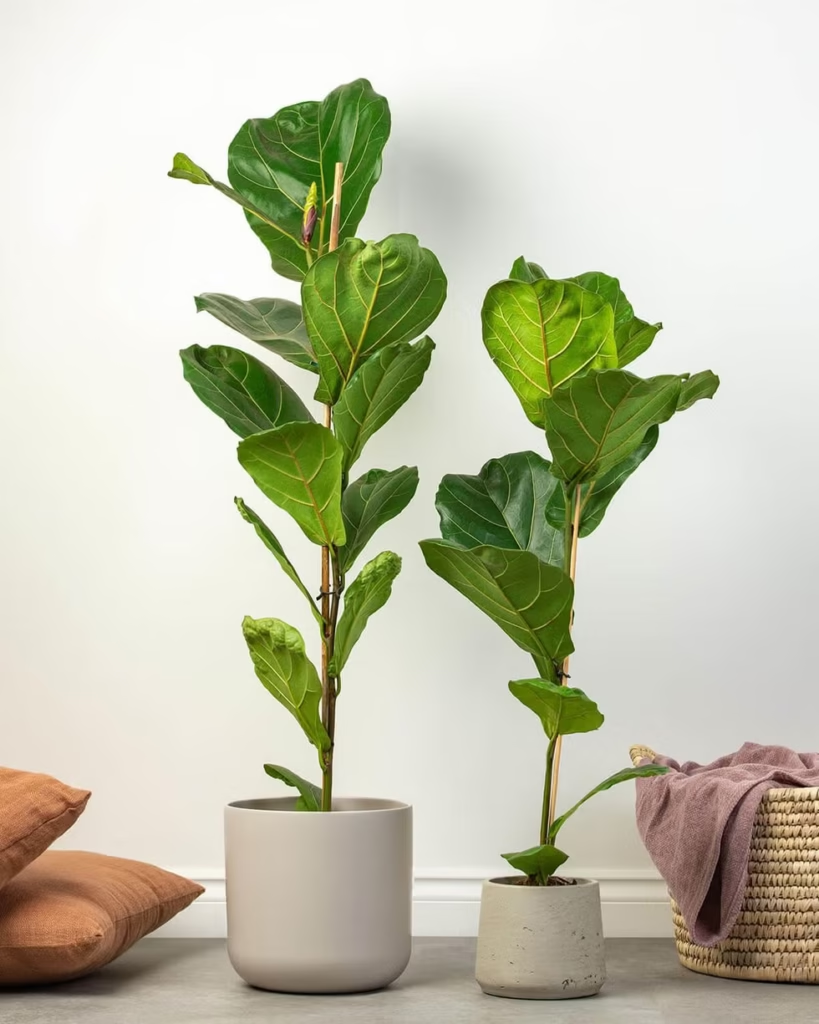
Better known as the fiddle leaf fig, ficus lyrata is a favorite among interior designers for its large, glossy leaves. Beyond its looks, it helps control humidity, traps dust, and purifies the air, which can help you avoid colds, sore throats, and coughs. It does best with indirect light and needs watering two to three times a week. It does have a reputation for being a bit particular about its routine, so try to keep its light, water, and location fairly consistent once it settles in.
Bringing It All Together
Houseplants do more than fill empty corners. Many of them clean the air, add moisture to dry rooms, and help you feel calmer just by being there. The benefits go beyond the physical too. A home that feels fresh and alive tends to leave you feeling a little more at ease as well.
You do not need all 12 of these plants to notice a difference. Start with one or two that fit your space and your daily routine, whether that means something low maintenance like a pothos or a ZZ plant, or something a little more eye catching like a monstera or a fiddle leaf fig. Either way, adding a bit of greenery to your home is a small change that can pay off in ways you might not expect.
Before you buy, take a look at the light in each room, since even a low maintenance plant will struggle in the wrong spot. Once you get the hang of it, caring for a plant or two can turn into a small daily habit, one that gets you to slow down and notice something growing right in front of you.
Source: based on the YouTube video 12 of The Healthiest Plants To Have In Your House For A Healthy Lifestyle.